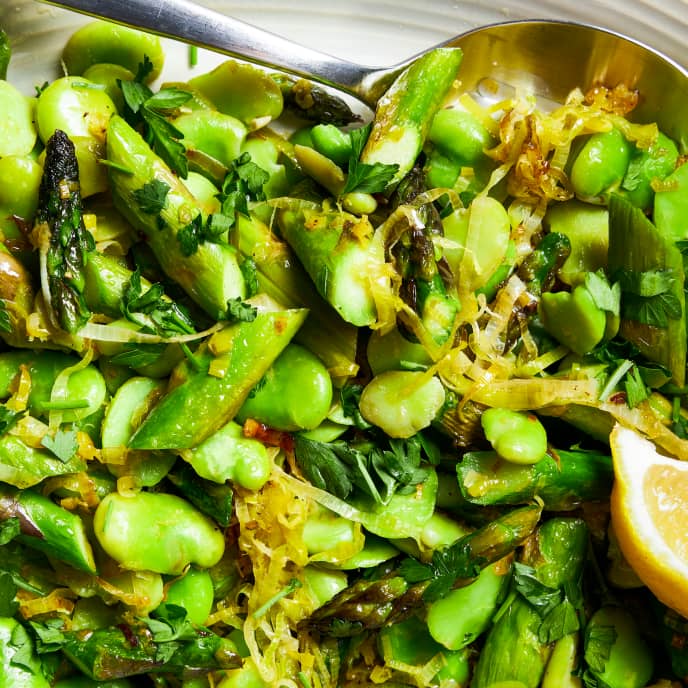
Embrace Spring Flavors: A Comprehensive Guide on How to Cook Fava Beans
As the days grow longer and the first whispers of spring emerge, so too does a culinary treasure that promises a taste of the season's freshest bounty: fava beans. These often-overlooked legumes, also affectionately known as broad beans, are celebrated for their uniquely buttery, nutty, and subtly vegetal flavor. While some might shy away from them due to a perceived labor-intensive preparation, learning how to cook fava beans is a deeply rewarding experience that unlocks a world of tender, flavorful possibilities. Far from a chore, the process can be a therapeutic ritual, culminating in a vibrant ingredient ready to star in countless spring dishes.
From ancient civilizations to modern Mediterranean tables, fava beans have graced plates for millennia. Their rich history and exquisite taste make them a staple in various global cuisines, and with this guide, you'll discover just how simple and satisfying it is to bring their delicate charm into your own kitchen.
What Exactly Are Fava Beans? Your Guide to Spring's Green Gem
Fava beans are distinct legumes harvested from flowering pea plants, encased in thick, bumpy greenish pods. They are a true herald of spring, reaching their peak tenderness and flavor during this season. As they mature, each bean within the pod develops a tough, yellow-whitish outer skin that, for the best eating experience, typically needs to be removed before consumption. However, don't let this extra step deter you; the reward is a remarkably tender, creamy bean with a flavor profile that stands out.
A Taste of History and Heritage
The cultivation of fava beans dates back thousands of years, with evidence of their presence in the diets of the ancient Greeks, Romans, and Egyptians. This enduring popularity speaks volumes about their nutritional value and versatile culinary applications. Today, fava beans remain a beloved ingredient across Europe, particularly in Italy where they feature prominently in traditional spring dishes, and are a cornerstone of Middle Eastern cooking.
Decoding the Flavor: What Do Fava Beans Taste Like?
The allure of fava beans lies in their complex yet comforting flavor. Imagine a blend of rich butteriness, a distinct nuttiness, and a fresh, green vegetal quality, often accompanied by a subtle, appealing bitterness that adds depth. Younger beans, typically found early in the spring season, tend to be milder in flavor and exceptionally tender. As they mature, their flavor intensifies, making them perfect for heartier preparations. Understanding this flavor profile is key to appreciating why the effort of preparing them is so worthwhile.
From Pod to Perfection: The Essential Steps to Cooking Fava Beans
While fresh fava beans require a bit more attention than some other vegetables, the process is straightforward and immensely gratifying. The core steps involve shelling the beans from their pods and then peeling the tough outer skin from each bean. The secret weapon in this process is blanching, which makes the peeling remarkably easy.
Step 1: Shelling Fava Beans from Their Pods
Your journey begins with extracting the beans from their fibrous pods. You have a couple of options here, and you can choose to shell them before or after blanching the whole pods. Many home cooks find blanching the pods first makes them easier to open, but either method works.
- The Snap and Pull Method: A common technique is to snap off the stem end of the pod. From there, you can often pull a string down the side, much like with snow peas, to open the pod and release the beans.
- The Knife Method: Alternatively, use a small, sharp knife to carefully cut along the seam of the pod. Once opened, simply scoop out the vibrant green beans.
Collect all your shelled beans in a bowl as you work. This is the first satisfying step in preparing your fresh fava beans!
Step 2: The Magic of Blanching and Peeling for Tender Perfection
This is arguably the most crucial step in learning cooking fava beans: easy blanching for tender broad beans. Blanching not only cooks the beans slightly but, more importantly, loosens their tough outer skin, making it effortless to remove.
- Prepare Your Setup: Bring a large pot of salted water to a rolling boil. Have a bowl of ice water ready nearby – this is crucial for immediately stopping the cooking process.
- Blanch the Beans: Carefully drop the shelled fava beans into the boiling water. Let them cook for just 1-2 minutes. You’ll notice their color brighten to a vivid green.
- Shock in Ice Water: Using a slotted spoon or spider, quickly transfer the blanched beans into the ice water. This "shocks" them, preserving their bright color and tender-crisp texture. Let them cool completely for a few minutes.
- The Peel: Once cooled, drain the beans. Now comes the satisfying part: peeling! Take a bean between your thumb and forefinger. Pinch or gently squeeze one end, and the tender, emerald-green inner bean will effortlessly pop out of its tough outer skin. Discard the skins as you go.
A Note on Peeling (When It's Optional): If you are fortunate enough to find very young fava beans, especially early in the spring season, their skins might be tender enough to eat! The key indicator is the color of the skin itself – if it's vibrant green, it's likely edible. If the skin is yellowish or has started to yellow, it will be too tough and fibrous to enjoy, so proceed with peeling.
Step 3: Cooking the Peeled Fava Beans (or Enjoying Them Raw!)
Once peeled, your fava beans are practically ready to enjoy. Their delicate flavor is best preserved with minimal cooking. They can be:
- Sautéed: This is one of the easiest and most popular methods for a simple side dish. Heat a little olive oil or butter in a pan, add the peeled fava beans, perhaps some minced garlic, and sauté for just 2-3 minutes until warmed through and tender-crisp. Finish with salt, pepper, and a squeeze of lemon.
- Boiled/Steamed: If you prefer, a quick boil or steam for another 1-2 minutes will further tenderize them.
- Eaten Raw: Yes, if you have truly young and tender fava beans (and their skins were green enough to be edible), they can even be enjoyed raw! Their crisp texture and fresh flavor are delightful in salads.
Beyond the Basics: Creative Culinary Uses for Fresh Fava Beans
With their buttery texture and fresh, spring flavor, cooked fava beans are incredibly versatile. They can elevate a wide array of dishes, adding both taste and visual appeal.
- Salads: Toss them into green salads for a pop of color and texture. They pair wonderfully with other spring vegetables, feta cheese, mint, and a lemon-herb vinaigrette. Consider a vibrant chickpea and fava bean salad for a protein-packed meal.
- Pastas and Risottos: Their creaminess makes them a natural fit for pasta dishes. Stir them into a light lemon-butter sauce with spaghetti or add them towards the end of cooking a spring risotto with asparagus and peas.
- Dips and Purees: Mash them into a vibrant dip, similar to hummus, with tahini, lemon, garlic, and olive oil. They also make a fantastic puree to serve alongside roasted meats or fish.
- Soups and Stews: Incorporate them into hearty spring stews or light vegetable soups for added body and flavor.
- Simple Side Dish: A quick sauté with a knob of butter, fresh mint, and a sprinkle of sea salt is a sublime way to showcase their natural goodness.
Tips for Success and Storage
- Selecting Fava Beans: When buying, look for pods that are firm, bright green, and heavy for their size. Avoid pods that are discolored, soft, or feel empty.
- Storage: Store fresh, un-shelled fava bean pods in the refrigerator for up to a week. Once shelled and peeled, they are best used immediately or within a day or two, stored in an airtight container in the fridge.
- Embrace the Process: While preparing fava beans takes a little time, view it as an opportunity for mindfulness in the kitchen. The repetitive, simple steps can be quite meditative, leading to a truly homemade meal.
Conclusion
Learning how to cook fava beans opens the door to a truly special spring ingredient. Their unique buttery and nutty flavor, combined with a delightful tenderness, makes them a culinary delight well worth the small investment of time in preparation. Whether you sauté them simply with herbs, toss them into a vibrant salad, or incorporate them into a sophisticated pasta dish, fava beans are a testament to the fresh, vibrant tastes of the season. So, next time you spot those bumpy green pods at the market, don't hesitate – bring them home and discover the exquisite pleasure of perfectly prepared fava beans.
