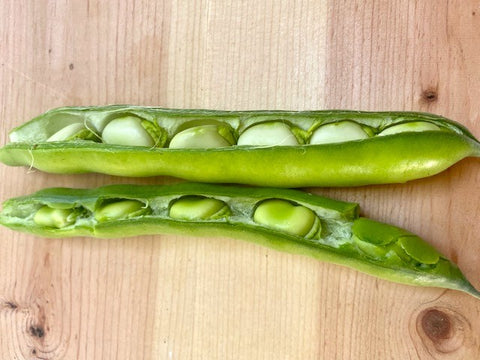
Springtime brings a bounty of fresh produce, and among the most anticipated treasures are fava beans. Also known as broad beans, these verdant legumes are celebrated for their distinctive buttery, nutty, and subtly vegetal flavor, often accompanied by a pleasant hint of bitterness. While their preparation might seem a little labor-intensive at first glance, the reward of tender, flavorful fava beans makes every step worthwhile. Think of it less as a chore and more as a therapeutic journey into the heart of a beloved spring ingredient.
Fava beans boast a rich history, having been cultivated for millennia and featuring prominently in the ancient cuisines of the Greeks, Romans, and Egyptians. Today, they remain a staple across Europe, particularly in Italy, and are a cornerstone of Middle Eastern cooking. Whether you're planning to incorporate them into a vibrant salad, a hearty stew, a creamy dip, or simply enjoy them as a fresh side dish, mastering the art of shelling, peeling, and blanching is key to unlocking their full potential.
Understanding Fava Beans: Flavor, Texture, and Timing
Before diving into preparation, it's helpful to appreciate what makes fresh fava beans so special. Their signature flavor profile is a delightful blend of rich butteriness, earthy nuttiness, and a fresh, green vegetal quality. Younger beans, harvested in early spring, tend to be milder in flavor and more exquisitely tender. As they mature, their flavor deepens, and the outer skin surrounding the bean becomes tougher, necessitating removal.
Seasonality is everything: Fresh fava beans are at their peak during the spring months. This is when you'll find them in their bright green, bumpy pods, bursting with flavor and optimal tenderness. While dried fava beans are available year-round, there's nothing quite like the experience of fresh ones. When selecting fresh fava beans, look for firm, vibrant green pods without blemishes or signs of wilting. A good indicator of fresh beans is a slight give to the pod, but not softness.
The Essential First Step: Shelling Fava Beans
The journey to enjoying fresh fava beans begins with shelling them from their thick, fibrous pods. This step removes the inedible outer casing, revealing the bright green beans within. You have a couple of approaches when it comes to shelling:
- Shelling Raw: Many home cooks prefer to shell the beans from their pods before any cooking takes place. This allows you to visually inspect each bean and ensures only the best make it to the next stage.
- Blanching in the Pod: Alternatively, some chefs recommend blanching the whole pods briefly before shelling. The heat from the blanching process can slightly soften the pod, making it easier to open and extract the beans. This method can save a little time but might require a larger pot for the initial blanching.
How to Shell Fava Beans (Raw Method):
- Prepare Your Station: Gather your fresh fava bean pods and have a bowl ready for the shelled beans and another for the discarded pods.
- Snap the Stem: Take a fava bean pod and snap off the tough stem end. You might hear a satisfying "pop."
- Pull the String (Optional): Similar to string beans, some fava bean pods have a fibrous string running along the seam. If present, pull this string down the side of the pod to help it open.
- Open the Pod: Using your thumbs, pry open the pod along its natural seam. If the string method didn't work, you can use a small, sharp knife to carefully cut down the seam, being mindful not to cut into the beans themselves.
- Extract the Beans: Gently run your finger along the inside of the opened pod to pop out the individual fava beans. They're usually nestled quite snugly.
Once shelled, you'll notice each individual fava bean is encased in a pale, whitish-yellowish skin. For most recipes, and for the best texture, this outer skin will need to be removed. Remember that the yield from fava bean pods can be surprisingly small; often, 1 pound of whole pods yields only about 1 cup of shelled beans, so plan accordingly!
Peeling Fava Beans: The Art of Blanching for Tender Broad Beans
This is arguably the most crucial step for achieving the wonderfully tender, melt-in-your-mouth texture that fava beans are famous for. The pale outer skin, especially on mature beans, can be tough and fibrous, detracting from the overall eating experience. Blanching is the secret weapon here, making the skin remarkably easy to remove.
Blanching involves quickly cooking the beans in boiling water, then immediately plunging them into an ice bath. This process not only softens the outer skin but also helps to preserve the vibrant green color and stops the cooking process, preventing the beans from becoming mushy. For a more detailed look into this technique, check out our guide on Cooking Fava Beans: Easy Blanching for Tender Broad Beans.
How to Blanch and Peel Fava Beans:
- Prepare Boiling Water: Bring a large pot of salted water to a rolling boil. Use enough water so the beans can float freely. A good rule of thumb is 1 teaspoon of salt per quart of water.
- Prepare an Ice Bath: While the water heats, fill a large bowl with ice water. This ice bath is essential for stopping the cooking process.
- Blanch the Beans: Carefully add the shelled fava beans to the boiling water. If you opted to blanch the pods first, add them now (typically for 2-3 minutes). For shelled beans, cook for 1 to 2 minutes. You'll see their color brighten significantly. Be careful not to overcook them; you want them tender-crisp, not mushy.
- Shock in Ice Bath: Using a slotted spoon, quickly transfer the blanched fava beans from the boiling water directly into the ice bath. Let them cool for 2-3 minutes. This halts the cooking and locks in that beautiful green hue.
- Drain and Peel: Once cooled, drain the fava beans. Now comes the satisfying part: peeling! Take an individual fava bean and gently nick the tough outer skin with your fingernail or a small paring knife. The skin should slip off easily with a gentle squeeze, revealing the bright, tender green bean inside. Discard the skins.
A note on peeling exceptions: If you are incredibly lucky and find very young and tender fava beans, their outer skins might be thin enough to be edible. This is rare, but if the skin is a vibrant green and feels supple, you might be able to skip the peeling step. However, if the skin is yellowish or has any toughness, always peel it for the best culinary experience.
Creative Ways to Use Your Prepared Fava Beans
Now that you have a bowl full of beautifully shelled and peeled fava beans, the culinary possibilities are endless! Their delicate flavor and creamy texture make them incredibly versatile. Here are just a few ideas for how to cook fava beans once they're prepped:
- Simple Sauté: One of the easiest and most delicious ways to enjoy them. Sauté blanched and peeled fava beans in olive oil with a little garlic, lemon zest, and a pinch of salt and pepper. Perfect as a side dish.
- Salads: Add them to spring salads for a pop of color and texture. They pair wonderfully with other spring vegetables, fresh herbs, goat cheese, or even in a robust chickpea and fava bean salad.
- Dips and Purees: Blend blanched fava beans with olive oil, lemon juice, garlic, and tahini (optional) to create a vibrant dip, similar to hummus, or a creamy spread for crostini.
- Pastas and Risottos: Stir them into pasta dishes or risottos during the last few minutes of cooking for a burst of fresh flavor.
- Soups and Stews: While often associated with spring, fava beans can also lend their hearty goodness to light spring soups or stews. Add them towards the end to maintain their texture.
- Eat Them Raw (When Very Young): If you truly have super young, tender fava beans with entirely green, supple skins, you can even enjoy them raw, perhaps shaved thinly into a salad. Some even eat the very young pods themselves!
Fava beans love bright, fresh flavors. Don't hesitate to pair them with fresh mint, parsley, dill, lemon, garlic, and good quality olive oil. A sprinkle of flaky sea salt always elevates their natural taste.
Conclusion
Cooking fava beans, from the initial shelling to the final blanching and peeling, is undoubtedly an act of love. However, the unique buttery, nutty flavor and exquisite tenderness of freshly prepared broad beans are a culinary reward unlike any other. By following these comprehensive steps, you'll confidently transform those bumpy green pods into a versatile ingredient ready to star in countless delicious spring dishes. Embrace the process, savor the flavor, and celebrate the season's bounty!
